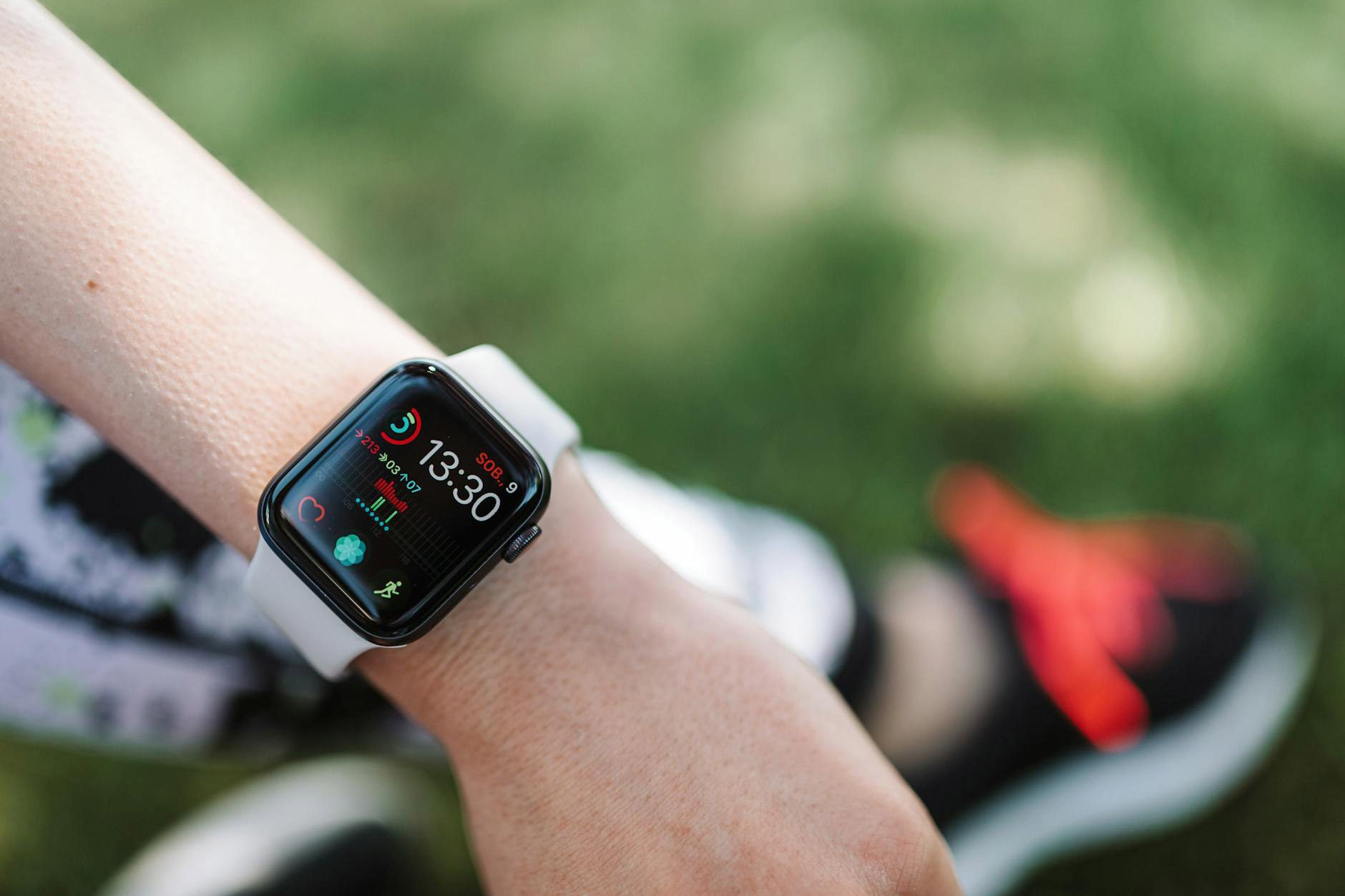
Monitoring your heart rate gives you crucial data during your workouts. Whether you’re running, swimming, or strength training with dumbbells, a heart rate monitor can keep you in the optimal training zone. You can even connect it to a bike GPS computer or a wrist-based tracker for more detailed insights.
But which heart rate monitor is right for you? Chest straps are highly precise, while wrist-based smartwatches are convenient.
The options can feel overwhelming. Our guide helps break down the best heart rate monitors for running, cycling, and other activities, including wearable and app-connected devices.
Pair any of these with your indoor training and recovery plan for smarter, more effective workouts.
We may earn a commission through our affiliate links at no extra cost to you.
Top Heart Rate Monitors at a Glance (2026)
| Monitor | Type | Price | Best For | Standout Feature |
|---|---|---|---|---|
| Polar H10 | Chest Strap | $$$ | Accuracy | Gold-standard sensor |
| Garmin HRM 200 | Chest Strap | $$ | Overall value | Long battery life |
| Garmin HRM 600 | Chest Strap | $$$$ | Multi-sport | Connects to Garmin apps |
| Wahoo TRACKR | Chest Strap | $$$ | Cycling/Peloton | Easy Zwift integration |
| Garmin Venu 4 | Wrist Band | $$$$ | Advanced health & fitness monitoring | Fits small wrists |
| WHOOP 5.0 | Wrist Band | $$ | Recovery | Tracks HR, sleep, and strain |
| Apple Watch Series 11 | Wrist Band | $$$$ | Everyday & apps | Smartwatch features & HR |
| Fitbit Charge 6 | Wrist Band | $$ | Budget & fitness | Tracks HR & sleep affordably |
| Wahoo TICKR FIT | Armband | $$ | Indoor workouts | Accurate HR & calorie burn data |
| Scosche Rhythm+ 2.0 | Armband | $ | Indoor & outdoor exercise | Durable & affordable |
Best Chest Strap Heart Rate Monitors for Accuracy
Chest straps remain the gold standard for accuracy, especially for interval workouts, cycling, and running. You can also watch for heart rate spikes during strength sessions, including kettlebell workouts. If you’re serious about accuracy and precision, here are the best chest strap heart rate monitors for your workouts.
Garmin HRM 600 ($151.48) — Best for Multi-Sport Athletes & Indoor Training

Key Features: Bluetooth & ANT+, internal memory, indoor training metrics.
Pros: Highly accurate across disciplines; great for structured training; caters to multi-sport athletes.
Cons: Higher price; many features depend on Garmin ecosystem; limited battery life.
Whether you’re training for a race or general fitness, accuracy matters. The Garmin HRM 600 is a premium chest-based heart rate monitor with advanced ECG-quality readings and quick response times that outperform most optical sensors. Upgraded connectivity means fewer headaches when pairing with Garmin devices and your favorite training apps, even in crowded races.
A refined low-profile strap resists sweat for long-distance comfort. It’s perfect for intense summer rides or hard interval sessions. You can also take it swimming. Once connected, it sends real-time heart rate and HRV data to compatible devices and apps. However, battery life is shorter than the HRM 200. Serious athletes in particular will appreciate the improved reliability, enhanced training metrics, and long-term durability.
Polar H10 ($104.95) — Best Overall Accuracy (Top Pick for Runners & HIIT)

Key Features: Bluetooth & ANT+, water-resistant, works with third-party apps & gear.
Pros: Excellent accuracy; great for runners and HIIT workouts; compatible with many popular apps.
Cons: Strap fit may be less comfortable for some; non-rechargeable battery; sensor should be removed to avoid draining the battery.
If accuracy and consistency are among your must-have features, consider the Polar H10. A favorite among cyclists, runners, and endurance athletes, it delivers quick, stable ECG-level readings during sprints, climbs, and long-distance workouts. A soft textile strap feels comfortable against the skin, and silicone dots keep the monitor from sliding even when you’re sweaty.
Equipped with dual Bluetooth and ANT+ connectivity, it pairs easily with smartwatches, head units, and training apps. Think of the Polar H10 chest strap as a highly accurate training tool you can build your training around.
Garmin HRM 200 ($79.99) — Best Simple Strap for Beginners & Budget-Focused Users

Key Features: Bluetooth & ANT+, long-distance strap comfort, trusted Garmin reliability.
Pros: Good value; excellent battery life; accurate running and cycling data.
Cons: Lacks advanced metrics; some connectivity issues; can’t store workout data.
As athletes who value reliability and affordability, the Garmin HRM 200 is our go-to heart rate monitor for most training sessions. It’s equally reliable during sprint sessions, strength work, and endurance rides. Plus, the elastic band is easy to adjust and is so comfortable we sometimes forget it’s there. And if you have sensitive skin, it’s free from potential irritants like silicone.
Although it’s accurate, connectivity is sometimes an issue. For example, it paired seamlessly with our Wahoo and COROS Dura head units, but struggled with our Garmin Edge 540. For indoor workouts, it syncs easily with our Peloton Cross Training Bike+ sessions. Battery life is excellent, consistently meeting or exceeding Garmin’s suggested 1-year range per charge. If you can get past the occasional connectivity hiccups, this is a great heart rate monitor for your money.
Wahoo TRACKR ($99.99) – Best Heart Rate Monitor for Cyclists

Key Features: Bluetooth & ANT+, decent strap comfort, branded Wahoo reliability.
Pros: Good value; accurate for many training types; comfortable slim band.
Cons: Battery lags behind Garmin; not intended for swimming; battery isn’t replaceable.
Not to be confused with the Wahoo TICKR, the company’s heart rate monitor armband, the TRACKR is a traditional chest strap monitor. It’s a top choice for athletes who crave precision, whether you’re powering through intervals, endurance blocks, or multi-sport workouts. Paired with the Wahoo App, you’ll find average and max heart rate data along with total calories burned.
As athletes, we know that comfort and battery life are big considerations. The TRACKR has a slim band that helps keep it securely in place. It’s also IPX7-rated for maximum protection against sweat and rainy conditions. However, it’s not intended for swimming, and can be submerged for about 30 minutes at the most. You can expect to get up to 100 hours per charge.
Whether you’re riding outdoors or on the bike trainer, ANT+ and Bluetooth connectivity make it easy to connect to your favorite devices. If you want premium heart rate monitoring without a hefty price tag, consider this Wahoo heart rate monitor.
Best Wrist-Based Heart Rate Monitors (Smartwatches & Fitness Bands)
Wrist-based monitors use optical sensors for precise heart rate monitoring. They’re best for convenience, all-day wear, and comprehensive data (including sleep, apps, and GPS). Note: accuracy may drop during HIIT or cyclical motions compared to chest straps.
Garmin Venu 4 ($549.99) — Best Heart Rate Monitor for Small Wrists

Key Features: AMOLED display, multi-sport modes, HR + wellness tracking, GPS built-in.
Pros: Great for smaller wrists; 24/7 health monitoring; personalized coaching.
Cons: GPS lags a bit; not compatible with some major music platforms; doesn’t support GPX maps.
An all-in-one training solution, the Garmin Venu 4 packs serious health and training tools into a sleek package that’s great for smaller wrists, thanks to a 41mm size option. Offering 24/7 health monitoring, including ECG, HRV status, women’s health tracking, and more, you can spot trends and stress before they derail your training.
Athletes will appreciate features such as personalized sleep and circadian rhythm coaching, which help boost recovery after hard sessions, and over 80 built-in sport modes for your favorite activity. Available Garmin Coach training plans help guide you through structured intervals, base training, and everything in-between.
However you choose to move, it’s easy to stay connected with features like built-in calling, voice assistance, music, and Garmin Pay. A built-in LED flashlight can be handy for staying safe in the dark.
Fitbit Charge 6 ($129.00) — Best Budget Wrist HR Monitor for Beginners & Seniors

Key Features: Optical HR sensor, sleep tracking, fitness alerts, smartwatch-lite functionality.
Pros: User-friendly; lower price barrier; compact display that’s easy to read.
Cons: Less detailed metrics for advanced athletes; optical accuracy not as strong as chest straps; light on premium features.
Well-suited for beginners and older adults, the Fitbit Charge 6 is an affordable wrist-based heart rate monitor and fitness tracker. Most trackers have a larger screen so you can see the data on your wrist, but the Charge 6 keeps things simple with a small, easy-to-read display. You can review more in-depth data, such as sleep metrics, heart rate zones, and steps, in the app on your phone.
Featuring a light form factor and a comfortable band, the Charge 6 is made for all-day wear. Think of it as a simple tracking device with a user-friendly interface that provides wellness and basic training insights without the complexity or cost of a full smartwatch.
Apple Watch Series 11 ($419.00) — Best for Enhanced Workouts

Key Features: AMOLED display, multi-sport modes, HR + wellness tracking, GPS built-in.
Pros: Enhanced tracking; real-time power + pacing metrics; pairs with many popular apps.
Cons: Higher cost; subpar battery life; band isn’t the most breathable.
If you want to enhance workouts, not just track them, consider the Apple Watch Series 11. Bluetooth compatibility supports everything from cadence tracking to power meter data, so you can gain real-time power metrics and pacing info. It also integrates with major training platforms like TrainerRoad, so you can sync indoor and outdoor workout data. Pairing with Zwift is also possible, but may require extra setup.
Reliability is a bright spot for Apple, and our Series 7 watch is still going strong despite frequent, heavy use indoors and outside. If you’re looking for a performance tool and advanced smartwatch in one, complete with training-level data and structured workout integration, the Apple Watch Series 11 is a top pick.
WHOOP 5.0 One ($199.00) — Best for Personalized Training

Key Features: Screenless display, optical HR + HRV, Membership-based app with coaching insights.
Pros: 24/7 strain, recovery, and sleep tracking; deep recovery + strain insights; monitors cardio and muscular loads.
Cons: No screen or GPS; requires ongoing membership; pricey.
If you prefer individualized data, consider the WHOOP 5.0 One for your workouts. Built for athletes who want consistent, meaningful feedback, it features VO₂ max insights and personalized heart rate zone targets for specific training goals.
WHOOP also monitors cardiovascular and muscular loads, giving you clear insights into how each workout impacts your body. For example, your Recovery, Sleep, and Strain scores can provide real-time insights and help balance intensity and recovery for long-term gains.
Battery life is average, lasting about five days per charge. But if you don’t mind exchanging extra charging time for consistent feedback, WHOOP 5.0 One is a powerful investment for your training.
Best Armband Heart Rate Monitors (Comfort + Accuracy)
Armbands also use optical sensors but tend to deliver better accuracy than wrist monitors during workouts, as long as they remain stable on the upper or forearm, rather than sliding on your wrist. They strike a nice balance between chest-strap precision and wrist convenience.
Wahoo TICKR FIT ($89.99) — Best Heart Rate Monitor for HIIT & Indoor Training

Key Features: Bluetooth & ANT+, rechargeable battery (~30 hr), snug forearm strap.
Pros: Good accuracy; great for indoor cyclists; comfortable forearm strap.
Cons: Less accurate than top chest straps; not a full smartwatch; shorter battery life.
If you want accurate heart rate tracking but find chest straps bulky or uncomfortable, consider the Wahoo TICKR FIT Armband. An ideal choice for intense bursts like Tabata and HIIT, circuit training, and indoor workouts, it uses optical HR sensors for precise tracking. It’s especially responsive during sprints, intervals, and explosive movements. Plus, the adjustable armband is stays put through kettlebell swings, rows, and treadmill workouts.
Battery life is roughly 30 hours per charge, which is less than the TRACKR chest strap heart rate monitor. However, it’s a decent compromise if you want a reliable and connected ANT+ and Bluetooth heart rate monitor. If you’re already part of the Wahoo ecosystem, the TICKR FIT is a sensible addition.
Scosche Rhythm R+2.0 ($44.99) — Best Budget Armband

Key Features: Optical sensor with dual-ANT+/Bluetooth, wash-friendly band, IP67 water/sweat resistant.
Pros: Good value; ideal for Peloton users; highly durable.
Cons: Fewer advanced metrics; may be less accurate than a chest strap; short battery life.
As the Scosche Rhythm R+ 2.0 proves, you don’t need to spend big for reliable training data. This budget-friendly optical armband delivers accurate heart rate info without the premium price. Designed to hug the upper arm, it fits comfortably without squeezing or sliding. Whether you’re running, riding, or lifting, you’ll get stable heart rate readings.
Featuring a basic, no-nonsense build, this armband monitor emphasizes dependable heart rate tracking and pairs with a wide range of popular training apps and gym equipment. Battery life is a short 24 hours per charge, but it’s still enough for shorter workouts and endurance sessions. We highly suggest the Scosche Rhythm R+ 2.0 if you want accuracy and comfort without overspending.
Heart Rate Monitor Apps & Connectivity: What to Know
Having a great sensor is only half the story. Connectivity and compatibility with your favorite apps and gear matter just as much. Here’s a quick reminder of what to consider when choosing a heart rate monitor.
- Bluetooth vs ANT+: ANT+ is ideal for indoor cycling setups and multi-device broadcasting. Bluetooth is more universal across phones and watches.
- Supported platforms: Apps like Zwift, TrainerRoad, Peloton, Strava; ecosystems like Garmin Connect, Wahoo, Apple Health, Polar Flow.
- Compatibility matters: Make sure your monitor pairs with your phone, bike trainer, smartwatch, or gym equipment.
- Battery & Wearability: Straps often have longer battery life; wrist and armband devices add convenience but may have trade-offs.
How to Choose the Right Heart Rate Monitor

Chest Strap vs. Wrist vs. Armband
Since they use electrical detection, chest-band devices are considered the gold standard when it comes to accuracy. Instead of your pulse rate, they measure heart rate directly for higher accuracy.
Wrist- and arm-based wearables, including some of this year’s best smartwatches to monitor your health, can also be very accurate when running, cycling, and walking. You may also prioritize comfort, battery life, connectivity, and available features.
- Chest Strap: Best accuracy, especially for intervals, cycling, and fast-moving workouts.
- Wrist: Best all-day wear, smartwatch features; slightly lower workout accuracy.
- Armband: More accurate than wrist monitors for workouts, more comfortable than chest straps.
Consider Your Training Type
Are you preparing for a race? Training for a marathon? Trying to maintain a general workout routine with equal parts strength and recovery? How heavily you rely on heart rate data, and whether accuracy is a top consideration, will narrow down your options.
Here’s a quick guide to help you match your heart rate monitor to your preferred workouts:
- Running/HIIT → chest strap
- Indoor cycling/Peloton → strap or armband
- Everyday fitness/sleep tracking → wrist
Note: If you’re new to interval training, our beginner-friendly home HIIT workouts can help you structure short, effective sessions using heart rate zones.
App & Ecosystem Compatibility
Do you prefer to use Garmin, Apple, Peloton, Zwift, or Strava? Choose a monitor that seamlessly pairs with your exercise bike to track key training data.
For Peloton users, we’ve tested the Cross Training Bike+ with the Garmin HRM 200 to monitor heart rate zones for smarter indoor sessions.
Budget & Features
If you’re wondering how much bang you can realistically get for your money, here’s a general explanation of what you can expect per price range.
- Under $100: reliable basics (e.g., Garmin HRM 200, Scosche Rhythm+).
- $100–$200: stronger features (Polar H10, Wahoo TICKR FIT).
- $200+: full ecosystems + smartwatch bundles (Garmin Venu 3).
Comfort & Fit
Chest straps should sit snug but not restrict breathing; armbands and wrist bands should fit securely without sliding. Most straps are adjustable for added convenience.
FAQs
Q: What is the most accurate heart rate monitor?
A: Chest straps like Polar H10 or Garmin HRM 600 offer the highest accuracy, especially during high-intensity or cycling sessions.
Q: Can I use a heart rate monitor with Peloton or Zwift?
A: Yes. Many heart rate monitors, such as Wahoo and Garmin, support Bluetooth & ANT+ and pair easily with Peloton, Zwift, screen-free exercise bikes, and indoor trainers.
Q: What is the best heart rate monitor for seniors or beginners?
A: We highly recommend the Fitbit Charge 6 for seniors and beginners, as it balances comfort, simplicity, and everyday wear.
Q: What about swimming or triathlon?
A: Chest straps such as the Garmin HRM 200 and 600 are swim-compatible. Always check the manufacturer’s stated water resistance to be sure.
Q: Are wrist-based monitors accurate for HIIT?
A: Wrist-based monitors are reasonably accurate but may lag during rapid intervals. Chest straps or armbands often provide more reliable instantaneous readings.
Q: Which heart rate zone should I train in?
A: On a heart rate zone scale of 1 to 5, zone 1 is low to moderate intensity, and zone 5 is the highest intensity. Think of Z1 as a warm-up, Z5 as an all-out effort, Z2 as basic endurance, Z3 as aerobic endurance, and Z4 as anaerobic capacity.
Final Thoughts
Choosing the right heart rate monitor depends on your training goals, activity, and budget. For structured workouts (especially indoor training or cycling), pairing a chest strap or armband with your Build Your Base plan will deliver strong results. For everyday fitness or wearable style, consider a wrist-based monitor.
Want to take your setup further? Check out:
– Best Smartwatches (2026)
– Peloton Alternatives (2026)
– Peloton Bike+ Cross-Training Review
– Build Your Base Training Plan
We may earn a commission from links on this page, but we only recommend products we’ve tested ourselves or validated through real-world training. Here’s how we test.
Steady Athlete Newsletter
Train smarter. Perform better.
Expert-backed training, nutrition, and recovery insights for athletes 35+. Designed for your busy life, not a 22-year-old’s schedule. Subscribers also get free exclusive guides like the Race Day Fuel Cheat Sheet for Masters Athletes.
Get the Newsletter