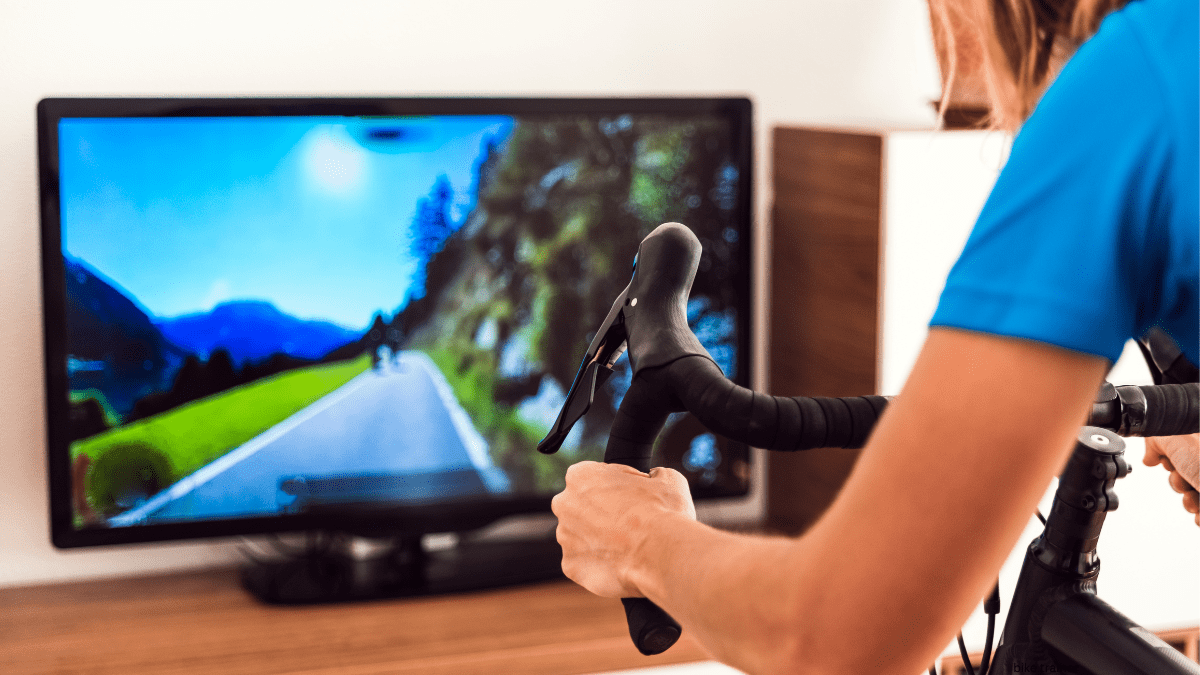
Nothing beats the fresh air and beautiful scenery of outdoor rides. But between bad weather and tight schedules, sweating it out inside is sometimes inevitable.
Having the right indoor cycling setup can make training more structured and consistent. Whether you’re a cyclist, triathlete, or just trying to stay fit during bad weather, a bike trainer helps you stay consistent.
But which one is right for you? From high-end direct drive trainers to budget-friendly wheel-on models, the options can be overwhelming.
This guide breaks down the best indoor bike trainers, including smart trainers, wheel-on options, and beginner-friendly setups. We’ll also cover essential accessories like mats and stands, explain how trainers work, and help you choose the right setup for your goals.
Use any of these trainers to build off-season endurance, maximize results, and stay on track.
We may earn a commission through our affiliate links at no extra cost to you.
Best Indoor Bike Trainers: Quick Look
| Wahoo KICKR V6 | Direct Drive | $$$ | Zwift / Triathletes | Accurate & stable |
| Garmin Tacx Neo 2T | Direct Drive | $$$$ | Dedicated cyclists | Highly precise |
| Wahoo KICKR Core | Direct Drive | $$ | Entry-level smart training | Excellent value |
| Elite Direto XR | Direct Drive | $$ | Serious cyclists craving accuracy | High-performance features |
| Saris H3 | Direct Drive | $$ | Apartments & shared spaces | Ultra-quiet performance |
| Saris Fluid2 | Wheel-On | $ | Cyclists who don’t need a full smart trainer | Great long-term reliability |
| Sportneer Bike Trainer | Wheel-On | $ | Budget shoppers | Ideal for mountain bikes |
| Garmin Tacx Boost Trainer | Wheel-On | $$ | Cyclists seeking simplicity, affordability | Beginner-friendly |
| Omnium Over-Drive Trainer | Rollers | $$ | Practicing skills & handling | Smooth resistance |
| Tacx Antares Rollers | Rollers | $ | Race warm-ups | Easily portable |
Smart Trainers: Most Effective for Boosting Strength
Smart trainers hit the indoor training sweet spot, balancing app connectivity and performance-boosting features. Like most cyclists who upgrade to a smart trainer, you’ll probably say: “I can’t believe I waited this long.”
The difference is huge. Workouts feel smoother, more motivating, and realistic. Apps like Zwift, TrainerRoad, and Rouvy take care of the structure, and auto-adjusting resistance means you just follow the plan. No more fiddling with gears or guessing power to get a consistent workout.
Much like all-in-one spin bikes, smart trainers revive indoor training slumps with thoughtfully structured workouts and opportunities to race or join virtual group rides. If you’ve struggled to last for even 30 minutes on a basic trainer, you might find yourself knocking out multi-hour indoor rides and coming into spring feeling stronger than ever.
Although smart trainers offer the best overall experience for most cyclists, they can be expensive. We’re focusing on models that deliver the strongest mix of performance, durability, and app compatibility. Below are the smart trainers we recommend most.
Best Overall: Wahoo KICKR V6 Smart Indoor Trainer ($1,049.99)

Think of the KICKR V6 as the gold standard for indoor training. It’s a trainer that keeps working for years and mimics that fresh-pavement feel, thanks to a heavy flywheel. Improved WiFi connectivity also makes it more responsive in apps like Zwift and TrainerRoad.
Power accuracy is a respectable +/- 1%, so you can reliably train for an upcoming race. Riders also appreciate the automatic calibration, which means you don’t have to mess with spindowns or manual tweaks. It’s also pretty quiet, which is huge if you’re riding in an apartment or early in the morning.
The KICKR’s side-to-side movement (via AXIS feet) gives it a more lively feel than a locked-in trainer. If a big training ride or race is on the horizon, you’ll feel prepared with a huge 2,200-watt resistance range and 20% gradient simulation. Add in WiFi Race Mode, which broadcasts power up to 10x faster for sprint accuracy, and it’s easy to see why so many serious riders swear by the KICKR.
Paired with the KICKR CLIMB accessory, you can even add real grade changes to your rides for a fully immersive setup. Just note that it adds a significant cost to an already pricey trainer.
Best Value: Garmin Tacx Neo 2T Smart Trainer ($1,399.99)

If you miss outdoor rides, consider the Tacx Neo 2T. Its virtual flywheel and quiet magnetic resistance create a smooth, realistic feel, and it reacts instantly to gradient changes in apps like Zwift and Rouvy. It convincingly simulates road textures and downhill coasting for a more realistic feel.
Power accuracy is a highly precise +/- 1%, so you can get granular with your training and racing numbers. You can also monitor your right/left leg balance on your app or Garmin Edge computer.
A maximum 2,200-watt ceiling should be plenty for most humans, and optional motion plates can mimic natural side-to-side movement that feels more comfortable on longer rides. If you love hills or are training for an event like timed hill climbs, the maximum 25% gradient should help you feel primed and ready for the real event.
Riders should note that a cassette is not included. You’ll need the same type and speed as your bike, which is an extra expense. Also, some disc brake frames may have clearance issues with this direct-drive bike trainer.
Most Affordable: Wahoo Fitness KICKR CORE 2 ($549.99)

Turned off by the big price tags some smart bike trainers command? KICKR CORE 2 is the sweet spot in Wahoo’s lineup. It delivers the same dependable performance as the flagship CORE, but with improved connectivity and redesigned legs for a faster setup.
Zwift Cog is pre-installed and works with most 8- to 13-speed bikes, while Zwift Click mounts to any handlebars for quick shifting and virtual control over your gears.
It’s smooth, quiet, accurate enough, and rock-solid under hard efforts. Maintaining fitness is a given on this Wahoo bike trainer, but you can also push your limits and build power in the off-season.
Power accuracy sits at +/- 2%, which is sufficient for structured workouts and Zwift races. Some smart trainers offer higher precision, but you’ll pay more and need to decide if that slight difference really matters.
Not only does CORE 2 have WiFi, but it also receives automatic updates. This version also has ANT+, ANT+ FE-C, and Bluetooth to connect to your favorite compatible third-party apps. If you’re new to indoor training and aren’t sure where to start, a one-month Zwift trial is included.
Elite Direto XR ($599.00)

Do you love riding with friends on Zwift or bouncing between different platforms? The Direto XR supports ANT+, FE-C, and Bluetooth, so it pairs seamlessly with Zwift, TrainerRoad, Rouvy, MyWhoosh, and other popular training apps. WiFi is notably absent, but most cyclists probably won’t notice. Elite throws in a free year of their My E-Training app, so you can explore curated workouts or mix up your training routine.
The Elite Direto XR is great if you care about data accuracy and want a trainer that responds quickly during intervals, especially at this price point. An optical torque sensor delivers +/- 1.5% power accuracy, which is ideal for structured workouts, sprints, and precise training. Simulated hill climbs are another plus. Featuring up to 24% gradient simulation, the Elite Direto XR is among the best mid-range trainers for steep climbs. Riders spending a lot of time grinding up KOMs on Zwift will love it.
Some trainers are fussy when it comes to bike fit, but the Direto XR works with most road, gravel, and mountain bikes out of the box. It includes adapters for 130–135 mm quick-release and 142x12mm thru-axle setups, plus a freehub compatible with Shimano/SRAM 9–11-speed, Shimano 12-speed road, and SRAM NX/SX Eagle 12-speed cassettes. Additional freehubs and axle adapters are available if you need them.
Wheel-On Trainers: Affordable & Beginner Friendly
Wheel-on trainers clamp onto your rear wheel. They’re budget-friendly and ideal for beginners, small spaces, or casual indoor riding. And if you’d prefer a dedicated ecosystem but aren’t sure about a smart trainer, a Peloton-style training system can also be a good investment.
Best Budget Wheel-On Trainer: Saris Fluid2 ($129.99)

Before switching to the Peloton for indoor cycling, we used the Fluid2 for indoor training. Ours lasted 5+ years with minimal maintenance, and is our top pick in the reliable bike trainer category.
If you’re OK without the smart features but want a bike trainer that can handle serious training, the Fluid2 is worth a close look. It offers progressive resistance that gets harder the faster you spin — perfect for steady base rides, tempo sessions, or casual indoor training. Pair it with a speed sensor to connect to apps like Zwift and Rouvy, adding variety and structure to your indoor workouts.
The Fluid2 is louder than direct-drive trainers, and it’s not a great choice if you’re regularly training for mountain stages or very hilly rides. But if you want a basic and reliable wheel-on trainer to stay consistent when the weather’s bad, it’s a solid option.
Sportneer Bike Trainer ($108.27)

Hitting the sweet spot between affordability and practicality, the Sportneer Magnetic Trainer is a simple, stable indoor bike trainer that won’t drain your bank account. It fits most road and mountain bikes with 26–28″ or 700C wheels and rear axles between 4.92 and 6.57 inches, and includes a quick-release skewer for easy setup.
You’ll switch resistance levels manually to match your training plan. A bar-mounted remote gives you access to six resistance levels, from flat spins to short “climbs.” This isn’t the best trainer for demanding interval work or long, steep simulations, but it’s a great choice for endurance workouts or occasional indoor rides.
The magnetic resistance unit is pretty quiet for this price, especially with a trainer tire, and the wide base with adjustable feet keeps you steady on uneven floors. It won’t replace a smart trainer, but for basic winter training or occasional indoor rides, it’s one of the best low-cost options out there.
Garmin Tacx Boost Trainer ($329.99)

If you like the thought of a wheel-on bike trainer for basic training but want a higher resistance ceiling than the Sportneer trainer provides, consider the Tacx Boost. A bar-mounted lever gives you up to 10 resistance levels and just over 1,000 watts for a smoother and more realistic feel.
It’s not a smart trainer, and it doesn’t connect directly to virtual platforms, but it shines as a simple, budget-friendly magnetic trainer that just works.
Setup is straightforward: clamp your bike in, drop the front wheel into the included riser block, and start pedaling.
Rollers: Engaging & Skill-Building
If you get bored easily or want to work on building skills, consider rollers. They require balance and engagement, making indoor training feel more dynamic—and they translate surprisingly well to outdoor bike handling. If you’re using indoor time to sharpen your technique for spring riding, this is also a great moment to revisit your helmet choice for maximum protection.
Best Overall Rollers: Omnium Over-Drive Trainer ($525.00)

For a more engaging indoor training experience that doesn’t sacrifice practicality, the Omnium Over-Drive is a strong choice. You just remove your front wheel and clamp in at the fork, which makes bike swaps quick and painless—a big advantage for multi-bike households.
As you ride, the resistance curve feels natural and steady. There’s no coasting, which can help you stay engaged and fine-tune your gearing and cadence, especially for Zwift races or structured intervals.
Besides having a reputation for being reliable and low-maintenance, the Omnium Over-Drive doesn’t require calibration or firmware updates. You also don’t have to worry about pairing issues.
These bike rollers fold for travel and pre-race warmups. You can also use them in small spaces where a full-size trainer isn’t practical. It’s not built for massive sprint efforts, but it’s highly effective for endurance rides, tempo work, and skills-based indoor workouts.
Tacx Antares Rollers ($199.99)

Good workouts don’t have to cost a fortune. The Tacx Antares rollers are lightweight, simple, and great for improving balance, cadence, and pedal smoothness. Plus, they fold for easy transport and storage. Use them in a small garage or to warm up before a race.
There’s no resistance control, but that’s part of the appeal. Unlike a smart trainer, which has the capacity for big climbs and massive power output, the Tacx Antares are ideal for easy spins or warm-ups before races. They set up fast and generally boost indoor training efforts where you want to prioritize building skills and handling confidence.
Best Apps for Indoor Cycling
Staying motivated indoors is a lot easier when you’re using an app that matches your riding style. The right platform can turn a boring hour on the trainer into a group ride, a climb up an iconic mountain, or a neatly structured interval workout. For most cyclists, the best app is one you’ll actually stick with.
For you, that might be Zwift’s busy virtual worlds and constant races. Maybe it’s Rouvy’s real-road videos, TrainerRoad’s laser-focused workouts, or a free option like MyWhoosh that gets the job done without a subscription. Pairing your app with a good fitness smartwatch can also keep you motivated by tracking calories, heart rate, and performance trends. Whatever keeps you pedaling consistently is the right choice for you.
Here are a few indoor cycling apps to consider:
Gamified Apps (Fun & Motivating)
Zwift
Hugely popular among riders who want indoor training to feel social and lively. Besides its big community, Zwift elevated indoor rides with races, events, pace partners, and game-like progression (levels, bikes, routes).
What’s good: Tons of riders, impressive racing scene, tons of group rides, solid companion app, and worlds that are more fun than realistic.
What’s not: High subscription cost, cartoonish visuals aren’t for everyone, and training plans are limited next to dedicated coaching apps.
Peloton App
Great if you love instructor-led classes, upbeat music, and studio-class energy. It’s ideal for riders who want a mix of cycling, strength, yoga, and HIIT in one app.
What’s good: Motivating coaches, reliable training structure, and lots of variety beyond the bike.
What’s not: Pricey monthly membership; less useful if your main goal is highly structured training.
Training-Focused Apps
TrainerRoad
Best for cyclists who prioritize progress. TrainerRoad is heavy on structured intervals, science-backed plans, and data-driven progression.
What’s good: Generous workout library, Adaptive Training, clear targets, and good integration with most trainers and head units.
What’s not: Minimal visuals (basically graphs and numbers), so you’ll probably want Netflix or YouTube alongside it.
TrainerDay
A more budget-friendly alternative for structured workouts and flexibility. A huge library of community-built sessions makes it easy to build or modify your plans.
What’s good: Affordable and ideal if you value flexible training.
What’s not: Less polished than bigger platforms, fewer automated coaching features.
Rouvy
Best for solo riders who love the idea of riding real roads indoors. Rouvy simulates outdoor rides (think Alps, Tour stages, epic climbs) and does a nice job simulating gradients if your trainer can keep up.
What’s good: Big route library, realistic climbing, great for course recon and long solo rides; you can add “virtual partners” based on real riders’ efforts if you want company.
What’s not: Cyclists either love or hate the videos, with some saying they’re repetitive or shaky. Social features and structured workouts are weaker than with Zwift or TrainerRoad.
Simple & Free Indoor Cycling Apps
Wahoo App (Basic)
Ideal if you want simple control over your smart trainer or enjoy basic ERG workouts.
What’s good: Free and reliable for simple workouts and device management.
What’s not: Limited social connectivity, virtual worlds, and deep training plans.
MyWhoosh (Free)
A strong free alternative if you mainly care about workouts and routes, and not paying a monthly fee. It offers virtual worlds, training plans, and beginner-friendly races.
What’s good: Free, solid workouts, and good enough if you’re focused on training, not community.
What’s not: Smaller user base, clunky UI, higher system demands, occasional lag or upload bugs, and no direct Garmin Connect sync (though you can use Strava as a bridge).
How to Choose the Right Trainer

Choosing the best indoor bike trainer comes down to key factors such as your goals, space, and budget. Here’s a quick guide to help you figure out which type of trainer makes the most sense for your setup.
Training Goals
If your training is geared towards structured workouts, interval training, power-based plans, or preparing for outdoor events, a direct-drive smart trainer is a great choice. It gives you accuracy, smooth resistance changes, and ERG mode for targeted training to make indoor sessions more effective (and more tolerable).
For more casual riders, or if you want to stay fit in the off-season, a wheel-on trainer is affordable, easy to use, and gets the job done. If you want to work on handling skills, balance, or cadence, rollers can make indoor riding feel more engaging and dynamic.
Living Situation
Your home setup matters just as much as your training goals. If you live in an apartment, share walls, or ride early in the morning, a direct-drive trainer, such as the Saris H3, is the quietest option.
For cyclists with a basement, garage, or dedicated workout room, noise is less of a concern, and you can comfortably use any indoor bike trainer. If space is tight or you need something portable, rollers or wheel-on trainers are ideal. They’re lightweight, easy to store, and perfect if you can’t leave a full setup out all the time.
Budget
- Under $200 → New or used fluid trainer
- $200–$500 → Wheel-on smart
- $500+ → Direct-drive smart
Accessories
Certain accessories can make indoor riding more comfortable and enjoyable.
Some of our favorites include:
- A powerful fan to keep cool.
- A bike trainer mat to protect your floors and reduce noise
- A sweat guard to protect your bike’s frame and components
- A heart rate monitor for structured workouts or race training
- A cycling desk to keep your phone, towel, and water bottle within easy reach
6 Tips to Make Indoor Riding Less Miserable

We love riding outdoors as much as you do and often dread the thought of cycling inside. But when it’s cold and dark or pouring rain, indoor rides become essential for staying consistent.
Smart fueling and hydration also make a big difference in how good (or miserable) indoor sessions feel. A vegan protein powder can boost recovery to keep you on top of your training.
Over the years, we’ve found a few ways to make indoor cycling more tolerable:
- Use a good fan to stay cooler
- Save your favorite shows for long rides
- Join group rides on Zwift for a more social and engaging experience
- Use ERG mode for intervals to stay within a specific power range
- Keep your setup clean and ready
- Try rollers if you get bored easily
FAQ
Is indoor cycling as effective as riding outside?
Indoor cycling can be highly effective, depending on your setup and goals. We find indoor rides best for structured workouts and endurance rides without coasting or stops.
Do I need a smart trainer?
You don’t need a smart trainer for effective indoor workouts. However, smart trainers are worth it for structured training, ERG mode, social rides, and long-term motivation. If you’re unsure, you can start with a budget trainer and upgrade later.
Which indoor bike trainer is quietest?
The notoriously quiet Saris H3 is one of the quietest indoor bike trainers, and is least likely to disturb your neighbors.
Are rollers hard?
Rollers can be tricky at first, and it may take several attempts before you feel comfortable. Having a solid door frame or wall within reach helps build confidence as you learn. With practice, they become surprisingly fun and engaging.
What’s the best free app for indoor cycling?
If you don’t want to be locked into a paid ecosystem like Zwift, Wahoo, or Peloton, there are free options such as MyWhoosh or Rolla World. You can also sign up for free trials of subscription-based apps before committing.
Can you use a bike trainer for HIIT?
Yes. Bike trainers are ideal for HIIT workouts and other high-intensity intervals, since you can control resistance and structure efforts precisely.
What are the best indoor bike trainers for most cyclists?
If you want accuracy, quiet operation, and app connectivity, the best indoor bike trainers are direct-drive smart trainers. We suggest the Wahoo KICKR V6, Garmin Tacx Neo 2T, and Wahoo KICKR Core. Wheel-on trainers and rollers can be great options if you’re on a budget or short on space.
Should I buy a used bike trainer?
A well-maintained used bike trainer can be a solid investment. Inspect it for unusual noises, stability issues, visible damage, and make sure it’s still supported with current firmware or parts.
Steady Athlete Newsletter
Train smarter. Perform better.
Expert-backed training, nutrition, and recovery insights for athletes 35+. Designed for your busy life, not a 22-year-old’s schedule. Subscribers also get free exclusive guides like the Race Day Fuel Cheat Sheet for Masters Athletes.
Get the Newsletter
Response
[…] a realistic indoor cycling experience (stable frame, good resistance, decent […]